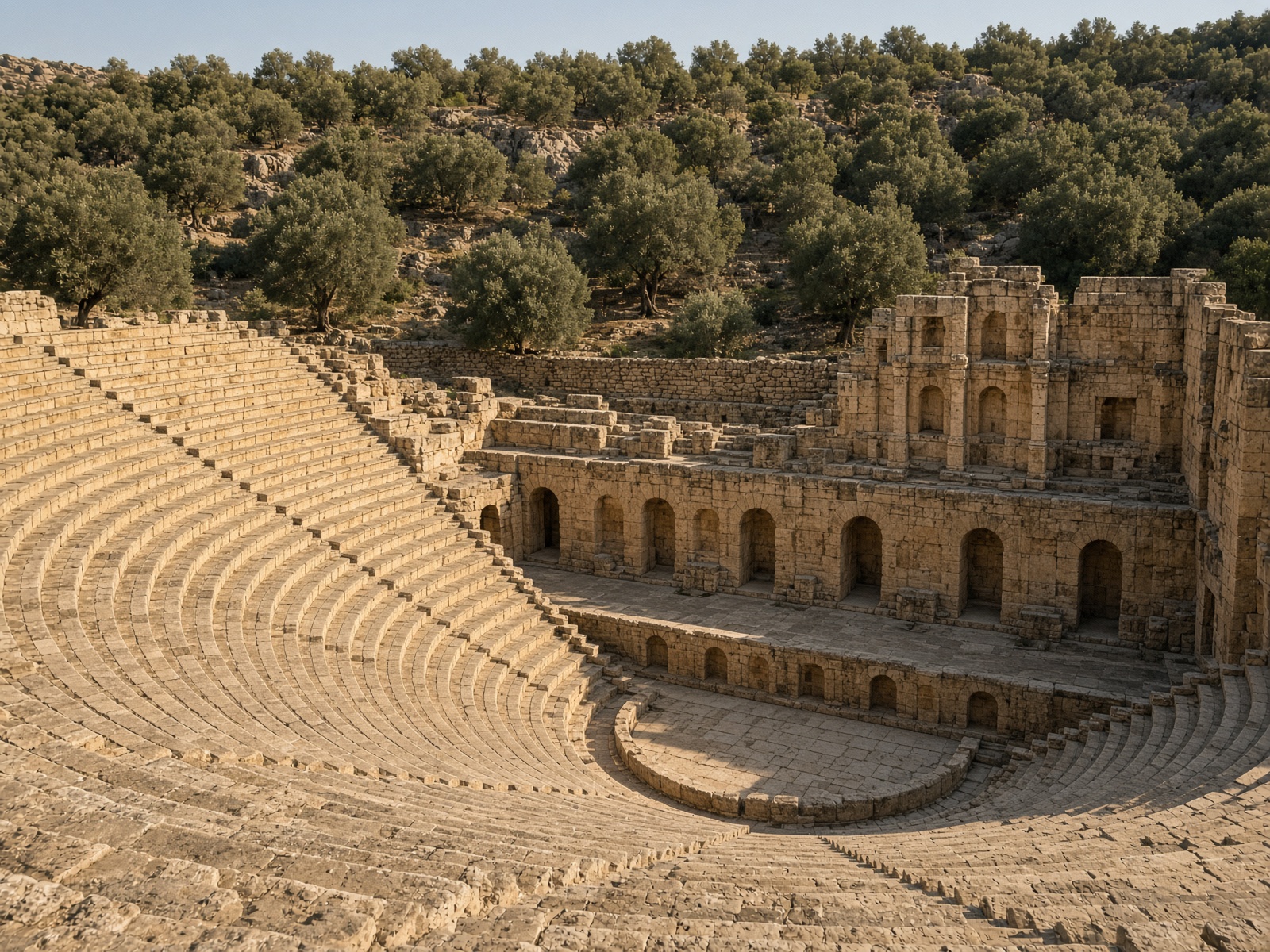
Roman Theatre of Guelma
In the city centre. Built between 193 and 211 CE, it seated about 4,500 people. Restored in the modern period, it is one of the most important historical monuments of the wilaya and still hosts cultural events.
Guelma · Places
8 Places · Grounded on Guelma Corpus

In the city centre. Built between 193 and 211 CE, it seated about 4,500 people. Restored in the modern period, it is one of the most important historical monuments of the wilaya and still hosts cultural events.

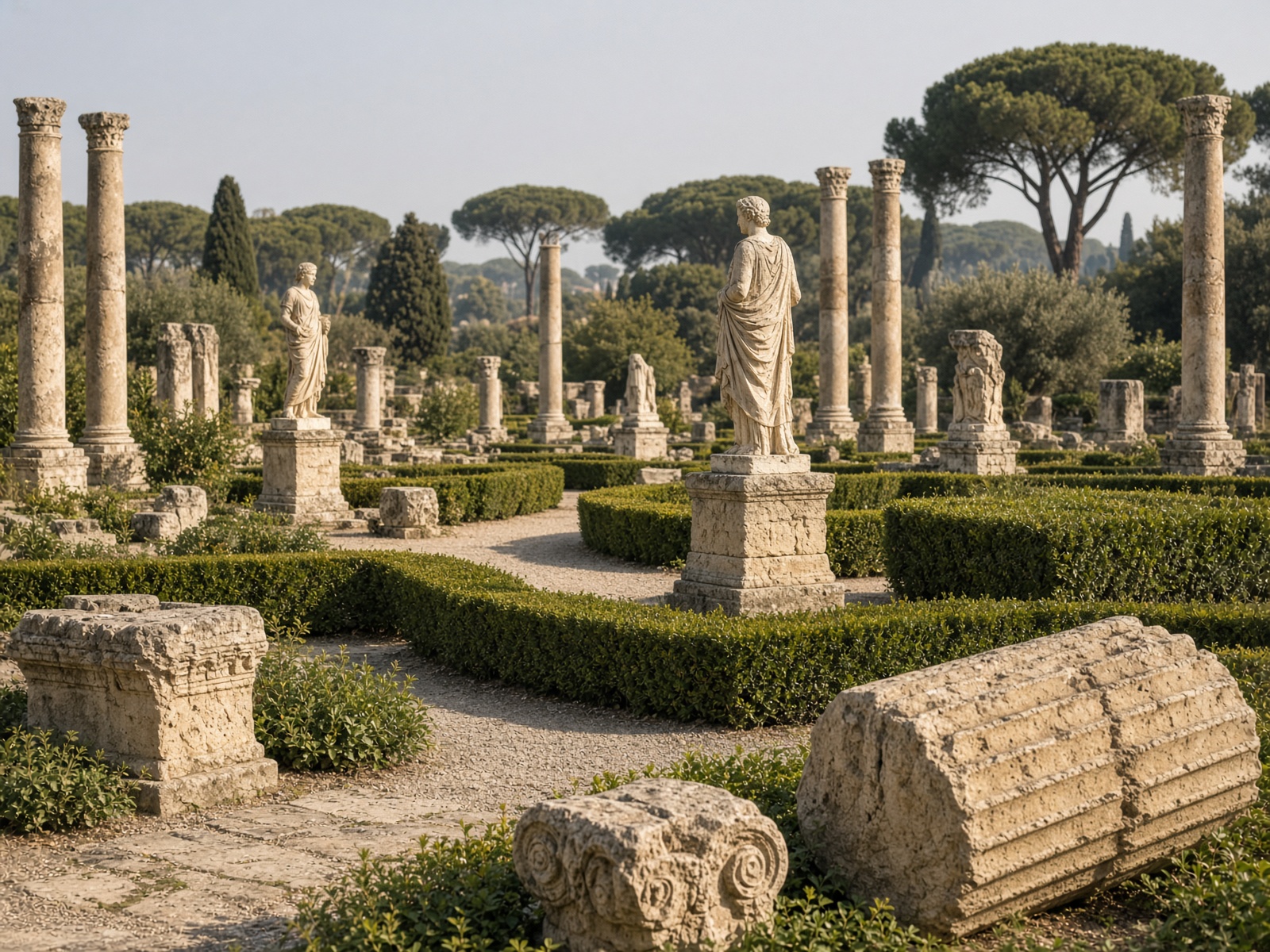
An open-air archaeological park beside the Roman Theatre. It gathers artefacts from Guelma and nearby ancient sites including Thibilis (Announa), Khamissa and Madauros.

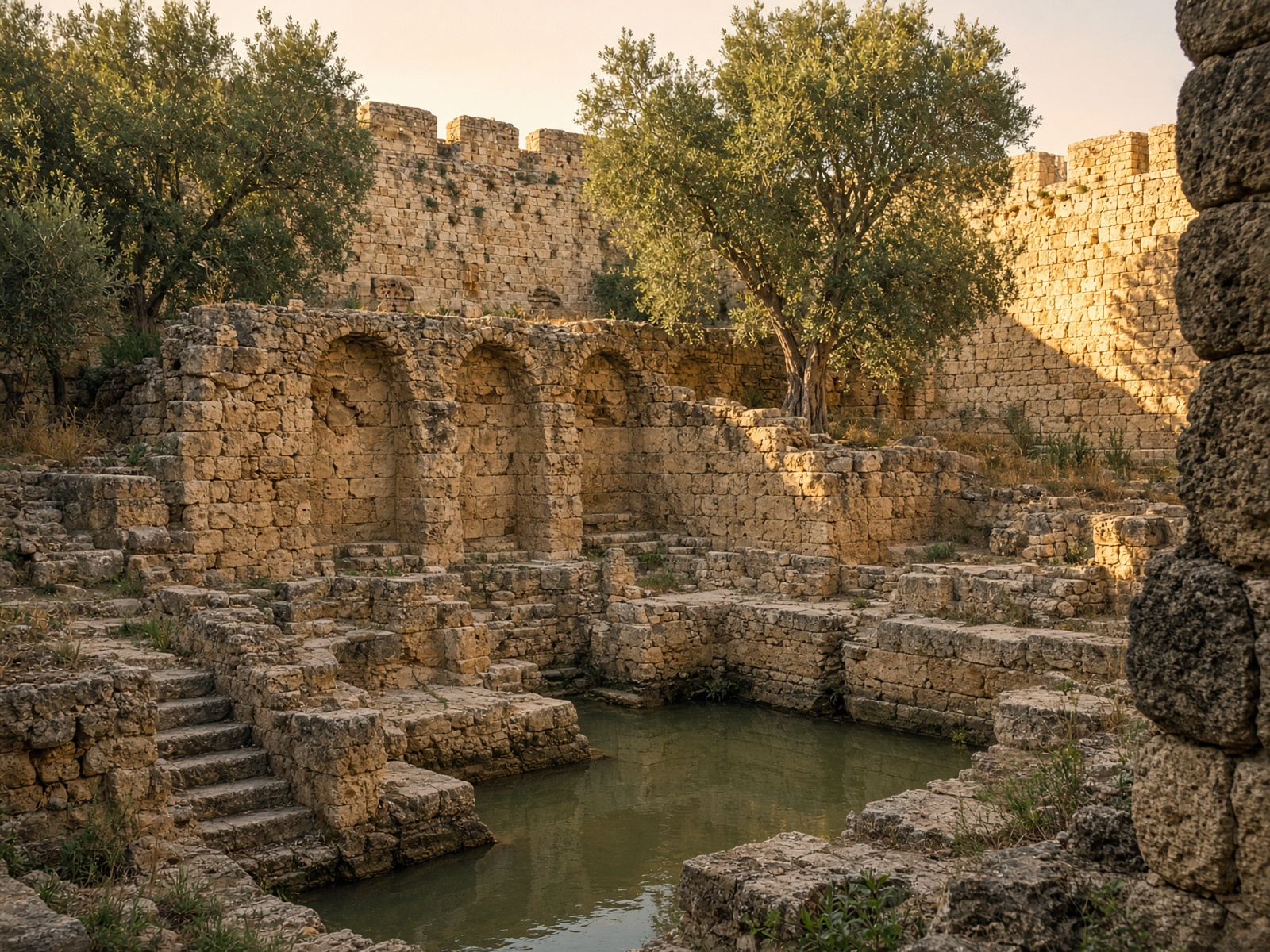
Roman-period baths inside the Byzantine fortress area of the city. They recall Calama’s civic life and the later Byzantine walls that still mark the old town.

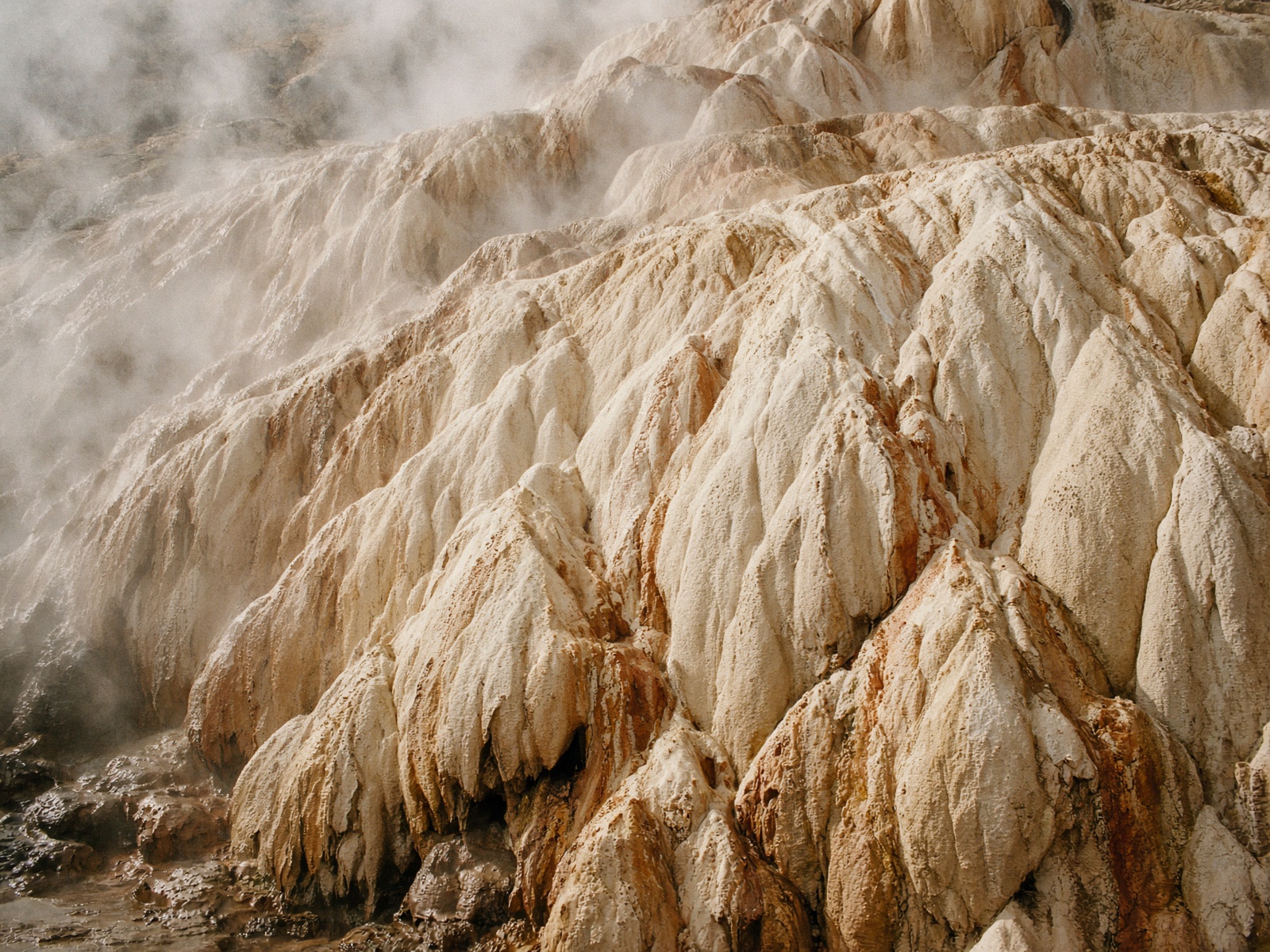
About 22 km west of Guelma, on Oued Bou Hamdane. A unique limestone waterfall formed by thermal water near 97 °C — among the hottest springs after Iceland’s geysers. Formerly called Hammam Meskhoutine; the Romans knew the site as Aquae Thibilitanae.

Thermal village west of Heliopolis, about 17 km northwest of Guelma on national road N8 toward Skikda. Four springs around 57 °C, rich in sulphate, magnesium, sodium, calcium and potassium. El Baraka and Bouchahrine are the main hotel complexes.

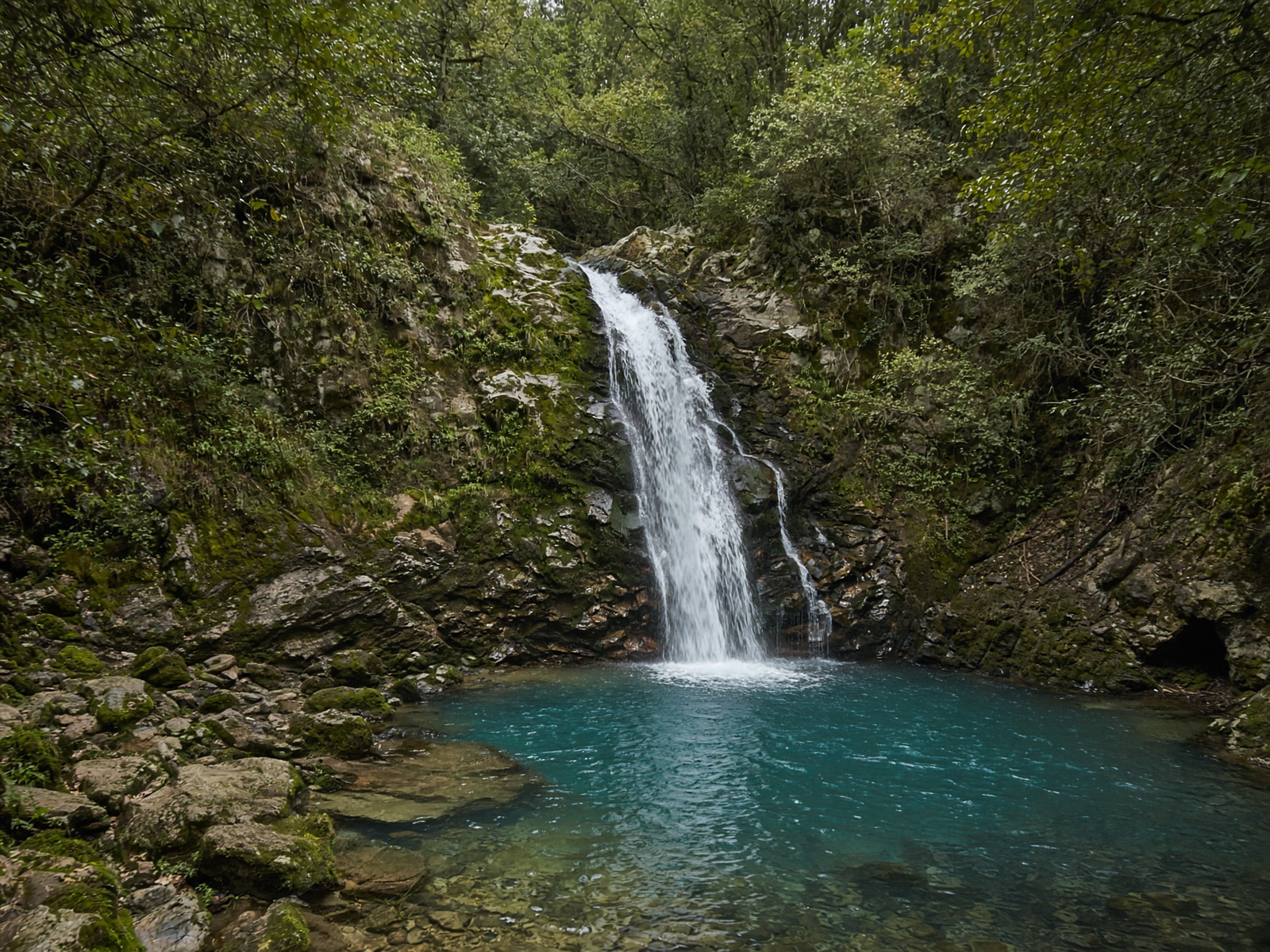
A natural destination of freshwater springs, forest and rock. Often associated with Hammam N’bails and the blue pool known as El Guelta Zerga, where waters feed toward Oued Seybouse.

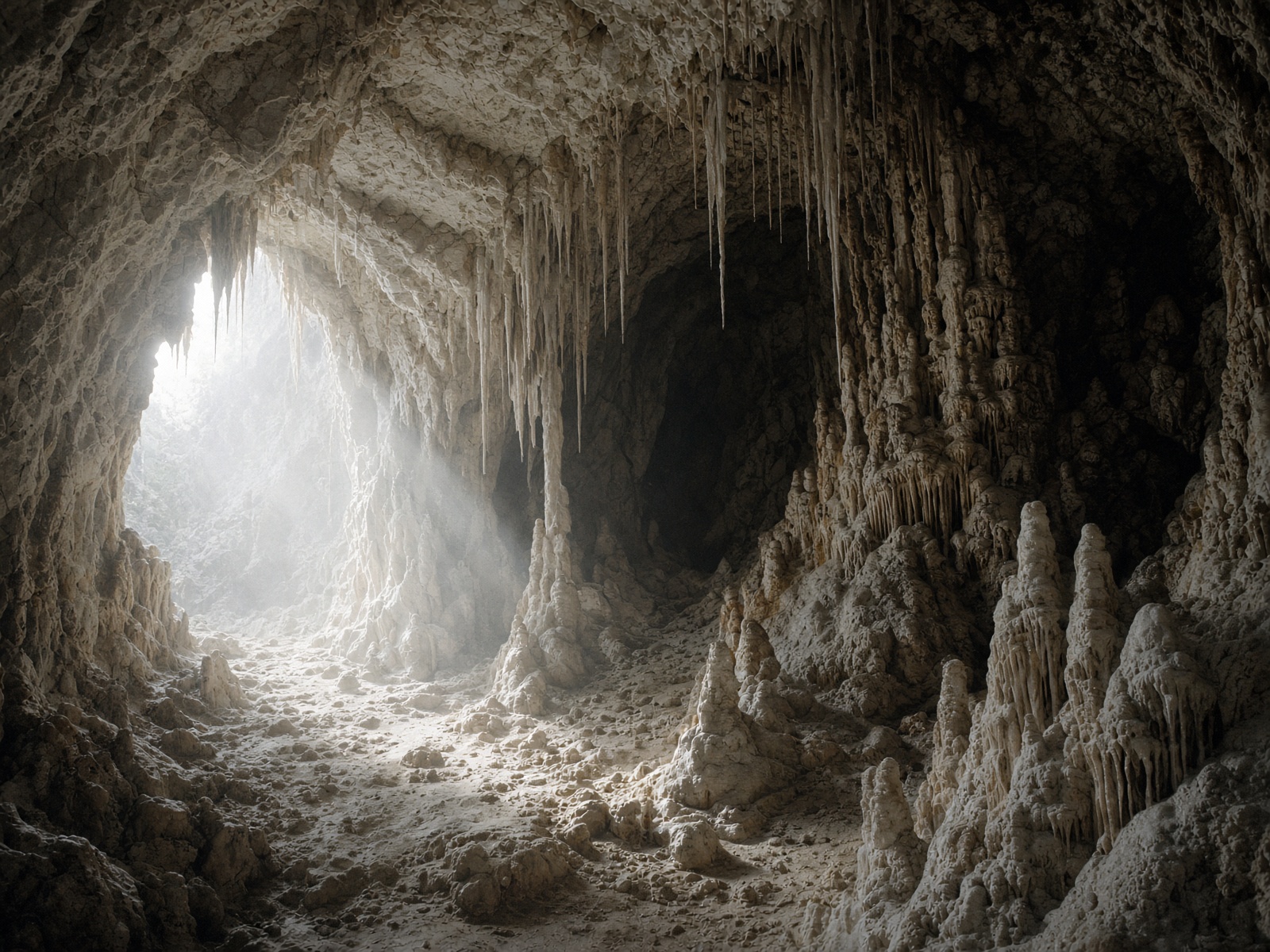
Ghar Djemaa opens on the north flank of Djebel Taya (about 1,200 m) in Bouhamdane commune. A vast stalactite cave, discovered in 1867, used in prehistory, as a Roman-era sanctuary for people of Thibilis, and later as a refuge during the War of Independence.

Roman municipium about 20 km west of Guelma at El-Announa. Paved streets, basilica gates, a forum and triumphal arches remain across a wide site.